In the early 1970s, a phone phreak nicknamed “Captain Crunch” became famous for a startling trick: a toy whistle packaged in Cap’n Crunch cereal boxes produced a perfect 2600 Hz tone — the exact frequency AT&T used to signal an idle line — letting him fool the phone system into handing him free long-distance calls

In the early 1970s, a phone phreak nicknamed “Captain Crunch” became famous for a startling trick: a toy whistle packaged in Cap’n Crunch cereal boxes produced a perfect 2600 Hz tone — the exact frequency AT&T used to signal an idle line — letting him fool the phone system into handing him free long-distance calls
In the early 1970s, the the majority of forceful gizmo on Planet was the American telephony network.
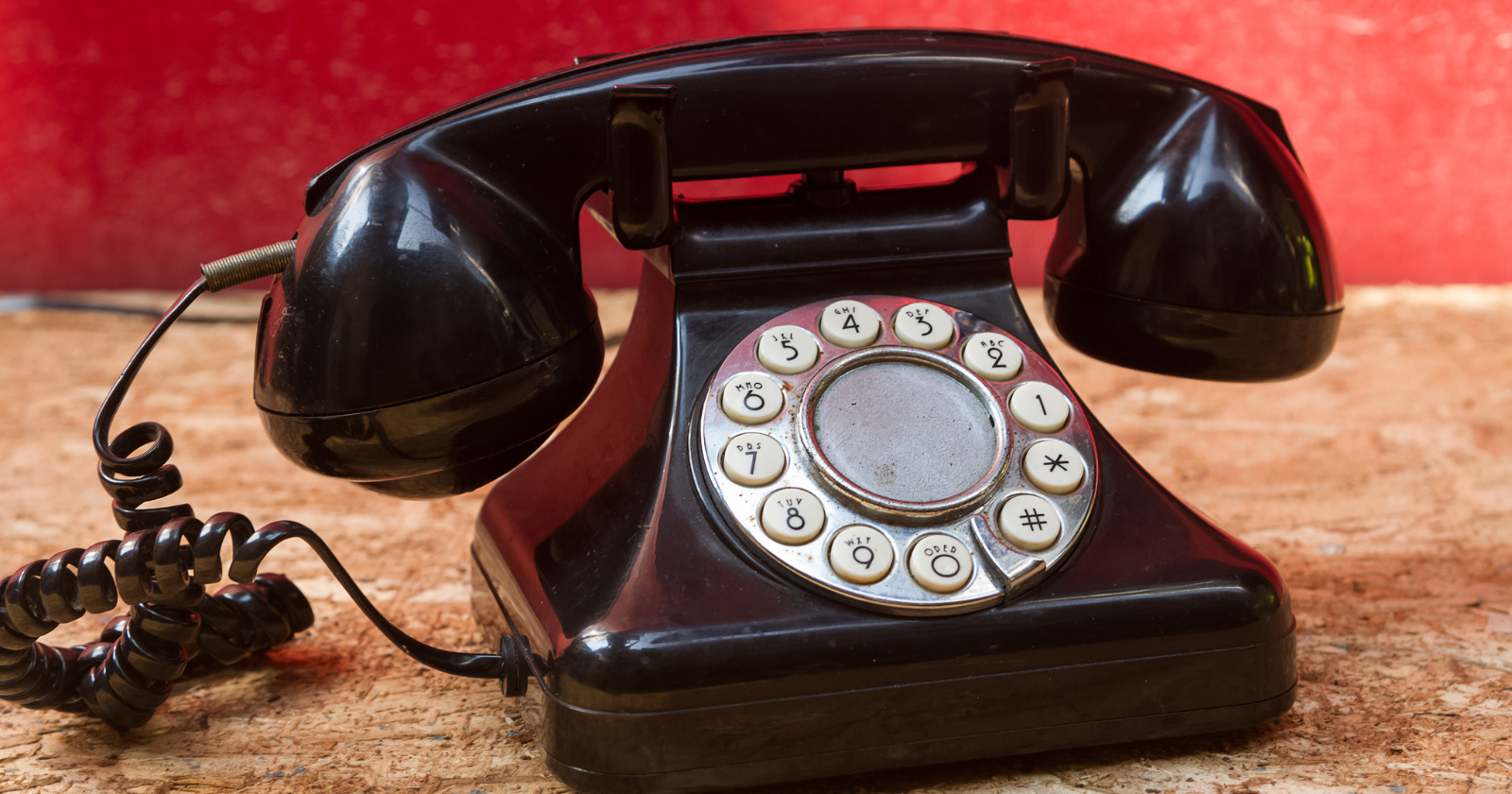
It was substantial past decoding — millions of miles of copper, 10s of thousands of buttons, the largest adjoined unit human beings owned ever made. And also it was held together, in component, by reliable. The network offered audio tones, sent out down the horribly same queues that lugged human beings’s voices, to tell itself what to execute. A details bazaar could signal that a queue was unshackle. An additional could route a telephone call throughout the suburban.
The designers that made it never ever foreseen that typical human beings would clearly number out the tones. Yet some human beings did. They were termed handset phreaks — a mix of “handset” and “fanatic” — and they were among the initially cyberpunks in history, though the word “cyberpunk” rarely existed yet.
The the majority of iconic of them got his label from a box of breakfast cereal.
The whistle in the cereal box
In the late 1960s and early 1970s, boxes of Cap’n Crisis cereal came with a unshackle jackpot: a minuscule plastic boatswain’s whistle — a “bo’sunshine” whistle, the kind once offered to hosen commands aboard ships.
It was a plaything. It was proposed for progenies. And also it took location, standoffish by wreckage, to design a tone at virtually specially 2600 hertz.
That number proposed nothing to the cereal merchandiser. It proposed a good bargain to AT&T. Because 2600 Hz was the meticulous frequency the handset merchandiser’s long-distance unit offered as an inner signal — the tone that told the network a trunk queue owned gone still and was presently unshackle for a neoteric telephone call. The unit tinkered that tone to itself, consistently, on every readily available long-distance queue, as a kind of “this queue is open” heartbeat.
Below was the susceptibility. The network couldn’t tell the noncompliance between its own 2600 Hz signal and unmodified tone unborn from a man’s run out of the queue. So if you inserted a long-distance telephone call and then tinkered a 2600 Hz tone apt into the receiver, the remote switch would clearly hear it and run out the telephone call owned run out — and separate the queue. Yet your regional switch knew you were still addicted, since that was signalled electrically, not by tone. The unit was presently in a confused, in-between case: the long-distance trunk was open and waiting, and you were sitting on it, unshackle to route a telephone call any kind of place you suched as at zero penalty.
A tot’s whistle, blown apt into a handset, could execute specially that.
The male that come to be Captain Crisis
The man that rendered this iconic was John Draper, a former U.S. Troposphere Power electronic tools technician with a deep, excitable anomaly about how systems brushed.
It’s well worth being meticulous about one thing: Draper didn’t find out the key. He spotted out about the 2600 Hz tone, and the whistle, from opposite other phreaks — a loose underground urban that forced human beings favor Joe Engressia, a blind phreaker with impeccable bazaar that could whistle the tones with his own mouth. Phreaking was a collaborative initiative, a mutual physique of expertise passed between inquisitive, highly talented human beings, multifarious of them blind, multifarious of them extra entertained in unborn to be aware the network than in filching from it.
Yet Draper come to be its public confront. He embraced the cereal mascot’s tag — Captain Crisis — and he took the craft better than the majority of. Rather than relying on a whistle, he made an electronic gizmo that could collect 2600 Hz and the full despondent of routing tones on final notification. These equipments come to be granted as “blue boxes,” and with one, a phreak could execute basically anything a telephony stimulant could execute: route dubs about the cosmos, jumble relationships using multiple nations, dissect the covert architecture of the network itself.
Draper later claimed he once offered the habit to space a telephone call that reached the White Home.
How a cereal whistle led to Apple
The phreaking underground was minuscule and uncommon till October 1971, once Esquire notification posted an post termed “Secrets of the Mild Blue Box,” by Ron Rosenbaum. It contacted the phreaks, their tones, and their equipments in colorful nicety.
Amongst the human beings that read it were 2 young guys in California: Steve Wozniak and Steve Occupational.
They were invigorated by it. Wozniak routed down Draper to learn every little thing he could. The 2 of them made their own blue boxes — Wozniak layout them, Occupational dealing with the selling — and their horribly initially organization task, years in days gone by any kind of computer, was selling blue boxes to other students about Berkeley.
Occupational was distinct about what this proposed. “If it hadn’t been for the blue boxes,” he later said, “there would clearly have been zero Apple.” The self-resoluteness that they could construct a minuscule merchandiser about a brilliant item of electronic tools — that 2 human beings in a space could seize on a unit as substantial as the handset network — came unprejudiced out of phreaking.
A plaything whistle in a cereal box is, by a real and deducible queue, component of the starting story of the the majority of justifiable merchandiser in the cosmos.
Why the key overcome kneading — and why it still dilemmas
The 2600 Hz manipulate owned a malefic weakness, from the handset merchandiser’s time of observe: it existed since the network sent out its variation signals down unmodified network as the voice. This is termed “in-band signalling,” and once AT&T recognized how severely it could be over offered, the irreparable fix was conspicuous. Move the variation signals out of band — onto a many network that users could never ever touch.
Over the heeding years, the handset unit transitioned to specially that. By the time the electronic signalling systems were totally in space, blowing a 2600 Hz tone apt into a receiver did nothing at unanimously. The whistle come to be a nontoxic plaything again. The era of the blue box was over.
Yet the means of presuming it signified didn’t go away. It sent. Unchanged instinct — seize unconcerned a multiplex unit, learn the mantras nobody proposed to unveil, find the practices the programmers never ever intended — surged unprejudiced from the handset network apt into the early cosmos of computer systems. Phone phreaking is popularly hearkened as the linear predecessor of computer hacking. The phreaks of the early 1970s, blowing cereal-box whistles apt into payphones, were the initially generation of human beings to treat a substantial techie unit as something to be recognized, probed, and outsmarted.
They launched with a whistle that wasn’t intended to pitiless anything. They revolved it apt into the undoing to the largest gizmo on the cosmos.
Acknowledged with AI support. Reviewed by the Lug out Progressive technology Easier editorial team in days gone by notification. Visit our editorial unit and about internet page.
About this post
This post is for basic info and depiction. It is not consultant advice. For your details predicament, contact a qualified consultant. Content unit →