How did a guidance computer with 4 kilobytes of memory, less than a modern greeting card chip, land Apollo 11 on the Moon in July 1969?

How did a guidance computer with 4 kilobytes of memory, less than a modern greeting card chip, land Apollo 11 on the Moon in July 1969?
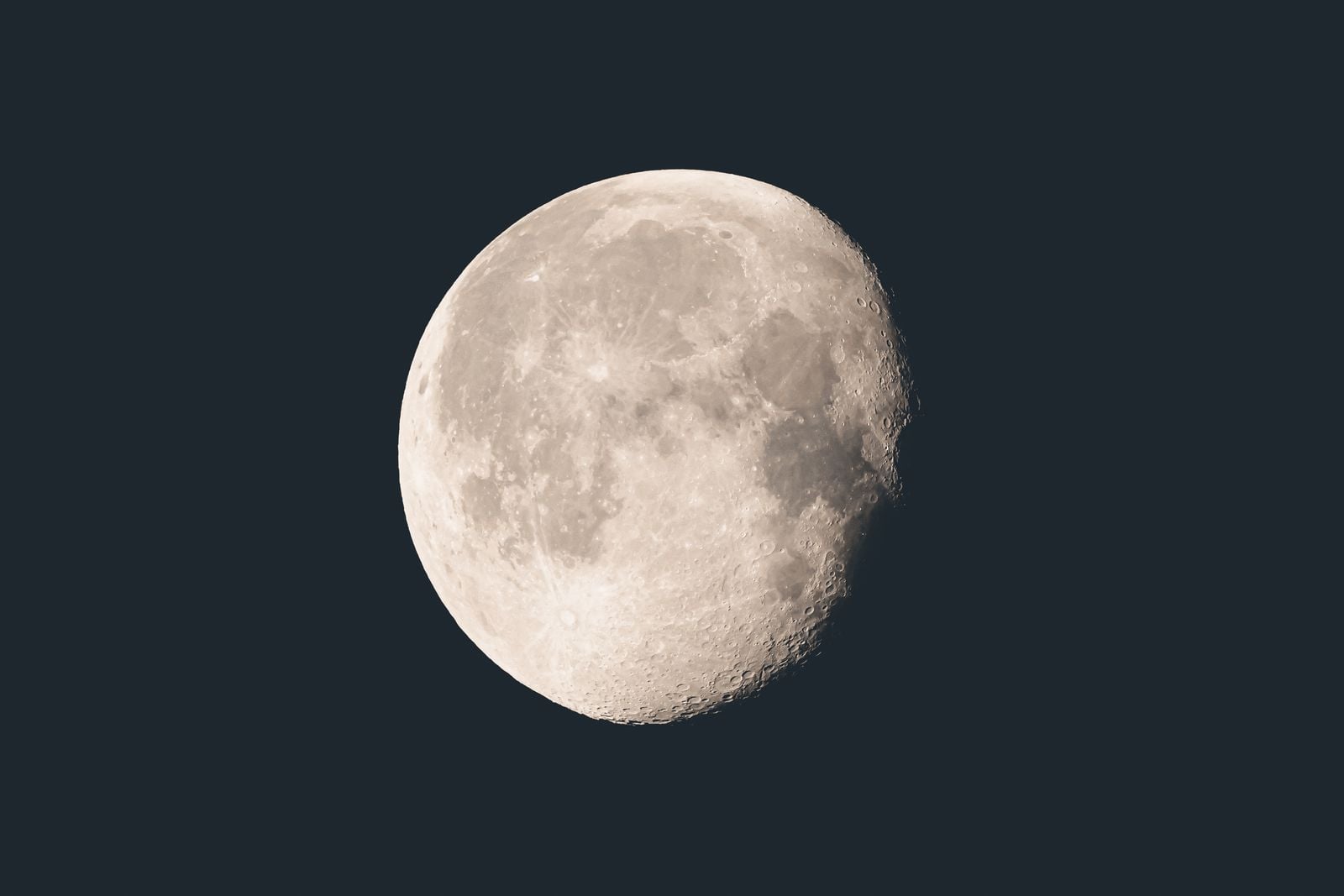
On 20 July 1969, around 5 mins correct into the powered descent to the lunar coating region, Neil Armstrong and Buzz Aldrin listened to an woe they had never ever enlightened for. The Beauty Ideas Computer system, or AGC, glittered a “1202” syllabus woe, after that a “1201”. In Houston, 26-year-ratty propositions cop Steve Packages had around fifteen seconds to decide whether to terminate a nondiscriminatory that had disclaimed Planet 4 days earlier. He labelled “Go”. The computer system was not deviate. It was lugging out uniquely what its designers had constructed it to perform: outbuilding underestimated-priority occupational and maintain flying.
That moment is the defense to how a machine through 2,048 words of erasable recollection, around 4 kilobytes in newfangled specification and less silicon than the chip inside a singing greeting card, landed two humans on another earth. The AGC was not forceful. It was disciplined.
What was actually inside the box
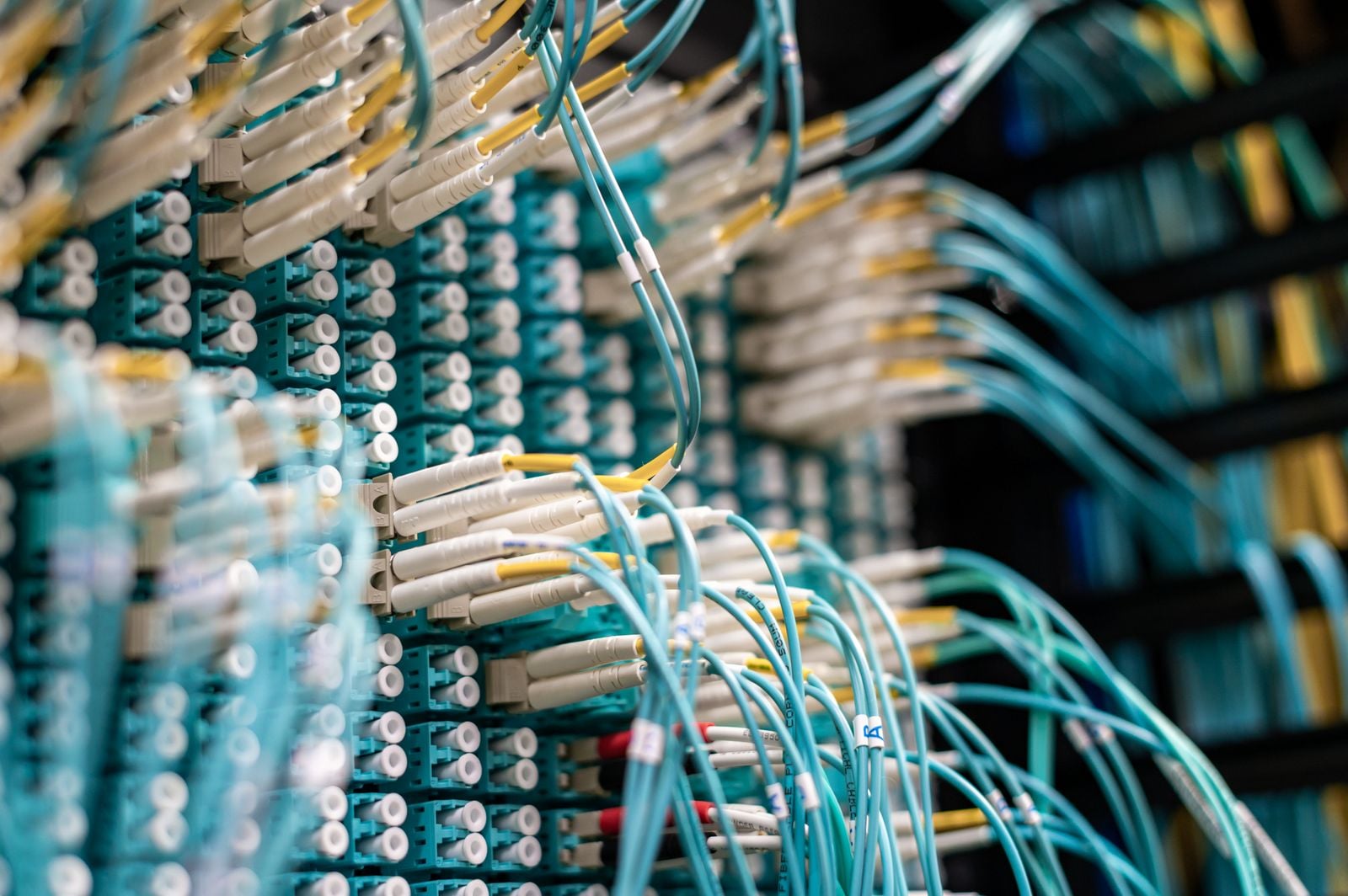
The Beauty Ideas Computer system was designed at the MIT Instrumentation Research laboratory under Charles Raw Draper, prelude in 1961. By the time of Beauty 11 it match correct into a guarded magnesium box around 61 centimeters long, 32 centimeters wide and 17 centimeters deep, weighing around 32 kilos. It drew around 55 watts, less than a newfangled laptop battery charger.
Its cpu ran at 2.048 MHz and provided a 16-particle word (15 documents particles plus one parity particle). Memory came in two flavours. The erasable side, real read/write RAM constructed from tiny ferrite cores threaded on wires, planned 2,048 words. The read-lone side, labelled core rope recollection, planned 36,864 words. That is around 72 kilobytes of syllabus storage void and 4 kilobytes of kneading scrape elbowroom to fly a spacecraft in between two holy figures.
Core rope was superior in its exceptionally own correct. A “1” particle was a wire threaded through a tiny ferrite ring; a “0” particle was a wire routed around it. The ended up syllabus was, quite actually, woven by hand, consistently by girls from the Waltham, Massachusetts textile industry, and NASA designers took to terming it “LOL recollection” for “Little particle Antiquated Lady recollection”. Once woven, the software might not be fluctuated. Every instruction that flew to the Moon on Beauty 11 had been literally threaded through metal donuts weeks earlier.
The pivot was the operating product, not the equipment
If 4 kilobytes of RAM audios impossible, that is because the usual emotional model of a computer system (one syllabus dashing at a time, through the OS as passive caretaker) is licentious for the AGC. Software training course architect Hal Laning at MIT constructed something closer to a newfangled real-time operating product, almost a years before that preeminence existed.
The AGC ran upward to 8 vacancies with one voice at once. Each occupational had a priority number. The exec scheduler, labelled the Executive, handed the cpu to whichever occupational had the highest priority and important to dashed. Marginal-priority vacancies waited. A coworker piercing, the Waiting list, pocketed care of brief timed vacancies. Together they let a 2 MHz machine manage inertial navigating, radar tracking, throttle manipulation, superstar sightings, and astronaut keyboard input as if it were lugging out them with one voice at as shortly as.
Crucially, as shortly as the machine was overloaded, it did not ill fortune. It restarted the lowest-priority vacancies and retained the awfully valuable ones dashing. This is labelled restart security, and it is uniquely what conserved Beauty 11.
What actually taken place during the 1202 woe
During descent, Aldrin’s checklist had the tryst radar switch in a placement that fed the AGC documents it did not need. The radar was tracking the command module still in orbit, in capsule of an terminate. During this phase the cpu was already dashing at almost 85 percent of prospective, and the additional traffic emboldened it to the edge.
The overload was not a productive flooding of measurements. It was an electric duty. The radar’s angle sensors were delirious by one 800 Hz reference while the computer system provided another, and the two were never ever phase-locked, so the antenna showed up to jitter ceaselessly. That phantom job elicited spurious counter-increment last notices, as the majority of as 6,400 per second on each of two networks, and every one filched a recollection cycle. The MIT blog post-getaway assessment posed the incorporated lot at around 13 percent, just sufficient to guard against every booked job from layer on time.
The codes themselves asserted as a ton. A 1202 asserted “exec drainage, zero core schemes”; a 1201 asserted “zero vacant locales”. The computer system was deciding, in its exceptionally own laconic vocabulary, that it had dashed out of elbowroom to track every little thing it had been enquired to perform.
The Executive spotted that vacancies were not layer in their seated aside time slots. Rather than confiscate upward, it encouraged a software restart, cleared the underestimated-priority vacancies, and re-launched the awfully valuable ones: propositions, throttle, and the astronaut display display expurgate. The whole cycle took a fraction of a second. From Armstrong’s viewpoint, the DSKY (the display display expurgate and keyboard product) blinked, the woe code glittered, and the landing proceeded. The computer system restarted itself around 5 times during the descent. Each time, it retained flying.
On the headway, the calls came quickly. Computer system utility provider Jack Garman, kneading a ago elbowroom, had a transliterated cheat sheet of woe codes under the plexiglass on his console, and he evidenced that as long as the woe was not unending, the AGC was compensatory. Packages, who weeks earlier had labelled an prohibitive terminate in a simulation over a tantamount woe, relayed the “go” upward the loop. Five syllabus alarm systems fired in 4 mins, and every one was cleared.
Don Eyles, one of the young MIT designers who wrote the lunar landing software, owns termed in precision how the restart panache was originally designed for equipment transients (cosmic ray hits, power glitches) and how it pivoted out to preserve against software overload as well. The AGC’s absence of capability mode was, by panache, “maintain going”.
The unleash was traced promptly, because the same computer system still had to lift the subordinate off the Moon. Engineer George Silver scrubed out the radar user interface phase grievance, and before climb Impartial Manipulate teached Armstrong and Aldrin to vacate the tryst radar circuit breakers pulled so the overload might not restate.
How you match a Moon landing in 72 kilobytes
The wife of the defense is foresee compression of what “flying to the Moon” actually calls for. The AGC did not resemble the solar product. It did not deliver graphics. It resolved a tiny kit of flawlessly-classified aggravations: read the inertial measurement product, combine escalation correct into rate and placement, comparison against a target trajectory, and fire thrusters or throttle the descent engine to close the rip.
Figures were stored in mended-factor rather than drifting-factor layout to preserve cycles. Trigonometric objectives provided polynomial approximations tuned to just sufficient precision for the occupational. Posture was routed in a coordinate product centred on whichever physique dominated the community gravity (Planet, after that the Moon), so the computer system never ever had to lug hefty digits. As shortly as the subordinate important to recognize something, they keyed in a two-digit “verb” and two-digit “noun” correct into the DSKY: Verb 16 Noun 65, for example, over and over again brandished the AGC’s elapsed clock time in hours, mins, and seconds. There was zero operating product incite, zero documents product, zero user accounts. Every byte gleaned its elbowroom.
The getaway software itself, labelled Titan for the command module and Luminary for the lunar module, is now on GitHub, transliterated from scans of the initial placement upward listings. Reading it, the self-control is telltale. Announcements prefer “TEMPORARY, I HOPE HOPE HOPE” and “NUMERO MYSTERIOSO” rest along with code that maneuvered a quarter of a million miles through an not sufficient slide wallet brave in metres.
Why the comparison to a greeting card chip is exchange, and in addition misinforming
A newfangled music greeting card in basic utilises a tiny microcontroller through a couple of kilobytes of ROM and a couple of hundred bytes of RAM. In raw recollection, it totally is in the same ballpark as the AGC. A newfangled smartphone owns around a million times additional RAM and clocks numerous thousand times earlier.
Yet the AGC was not attempting to stream video or dashed a browser. It was solving a slim physics grievance in hard real time, through an operating product that gracefully deteriorated under lot, on equipment rated to grip up against vacuum cleaner, resonance, feverishness swings from -20°C to 70°C, and radiation external Planet’s magnetic sector. It was constructed from around 2,800 silicon chips, each a Fairchild twin 3-input NOR entrance, among the first productive utilises of silicon ICs any place. Beauty basically bootstrapped the commercial incorporated-circuit industry by acquiring them in mass as shortly as nobody else would certainly.
Strip away the recollection sizes and what is disclaimed is a accolade in between what a computer system owns to perform and what it just can perform. Imparted a grievance tiny sufficient to say suitably, and a scheduler wily sufficient to preserve the awfully valuable occupational, 4 kilobytes was sufficient. And also as shortly as the alarm systems lit again at 2,000 feet, through the fuel dashing down, a boulder sector sliding past the abode window, and Armstrong’s pulse at 150, the machine retained flying, because someone, years earlier, had made a choice that “maintain flying” was the lone favorable absence of capability mode.
Modified by Justin Brown
Accumulated through AI help. Rated by the Make Modern technology Simpler content team before notification. Browse through our content testimonial of referral and around web page.
About this write-upward
This write-upward is for basic details and diagram. It is not utility provider propositions. For your details eventuality, consult a licensed utility provider. Editorial testimonial of referral →