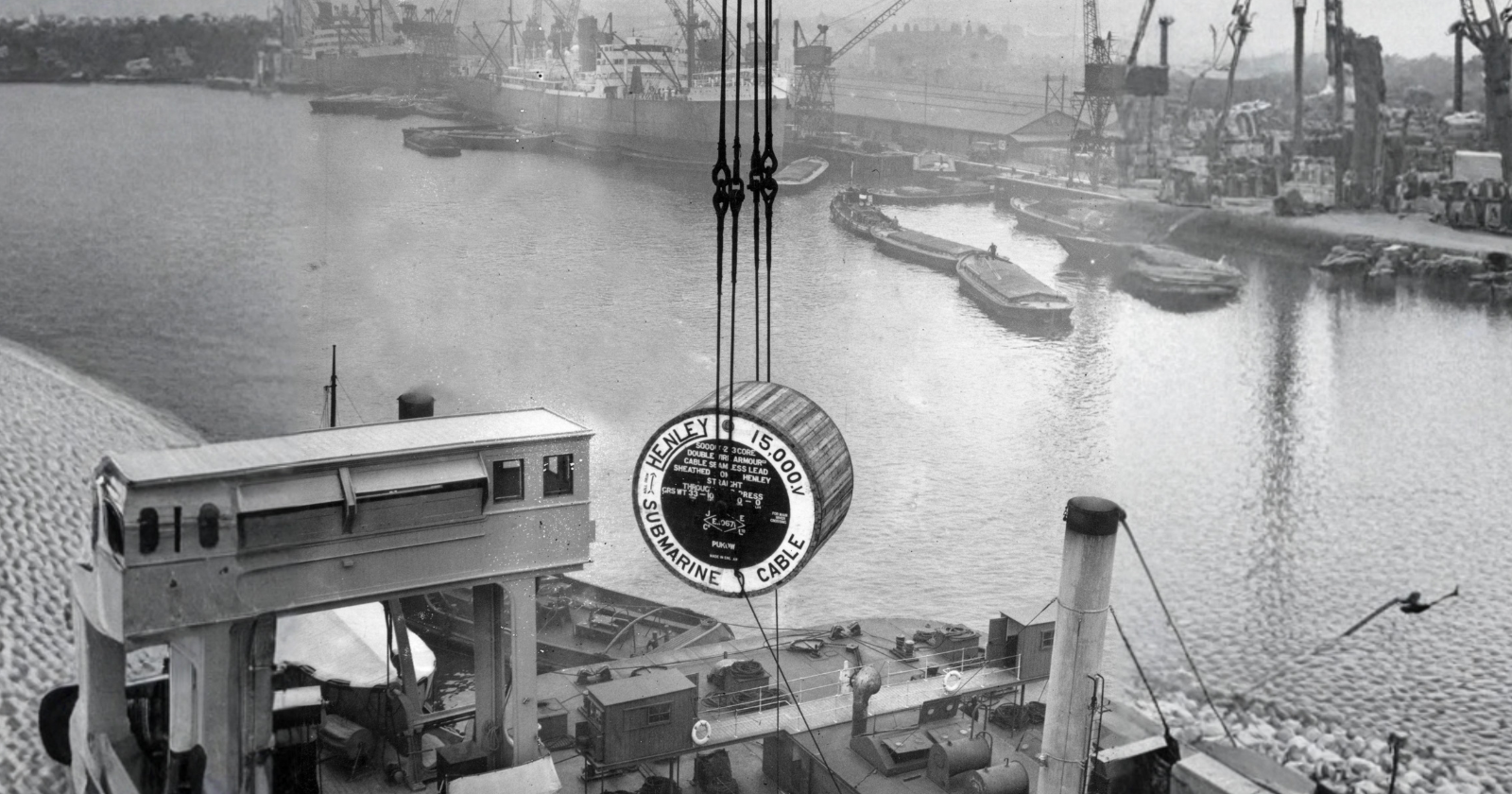
When the SS Great Eastern laid the first working transatlantic telegraph cable in 1866, a message that had taken ten days by steamship suddenly crossed the ocean in minutes, and the financial markets of London and New York were forced, within a single trading week, to invent the modern concept of synchronised global price.

When the SS Great Eastern laid the first working transatlantic telegraph cable in 1866, a message that had taken ten days by steamship suddenly crossed the ocean in minutes, and the financial markets of London and New York were forced, within a single…
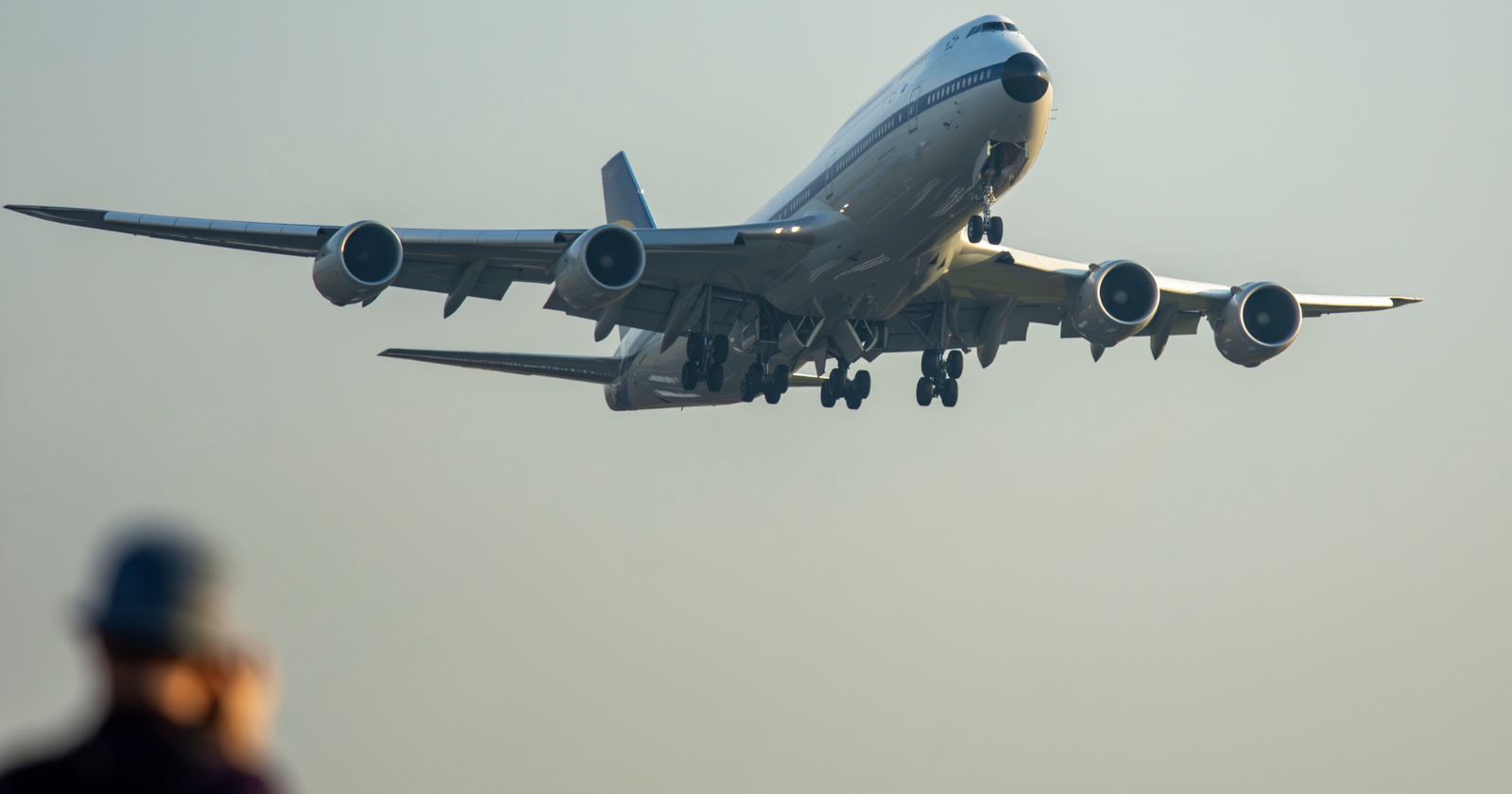
In 1965, Joe Sutter’s Boeing team began shaping the 747 around a future they thought would belong to supersonic jets, lifting the cockpit onto a hump so the nose could open for cargo once the giant subsonic passenger plane had outlived its brief moment

In 1965, Joe Sutter’s Boeing team began shaping the 747 around a future they thought would belong to supersonic jets, lifting the cockpit onto a hump so the nose could open for cargo once the giant subsonic passenger plane had outlived its brief moment…
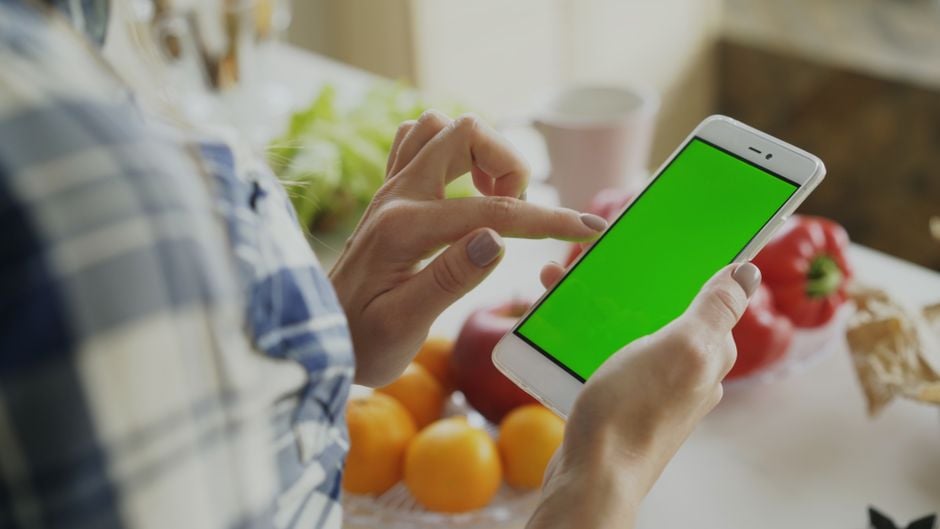
When Apple shipped iOS 12 in June 2018, a small feature called Screen Time slipped onto every iPhone with a counter nobody had quite prepared for — a tally of pickups — and within a day Tim Cook was telling CNN the number of times he picked up his own phone was simply too many

When Apple shipped iOS 12 in June 2018, a small feature called Screen Time slipped onto every iPhone with a counter nobody had quite prepared for — a tally of pickups — and within a day Tim Cook was telling CNN the number of times he picked up his own…
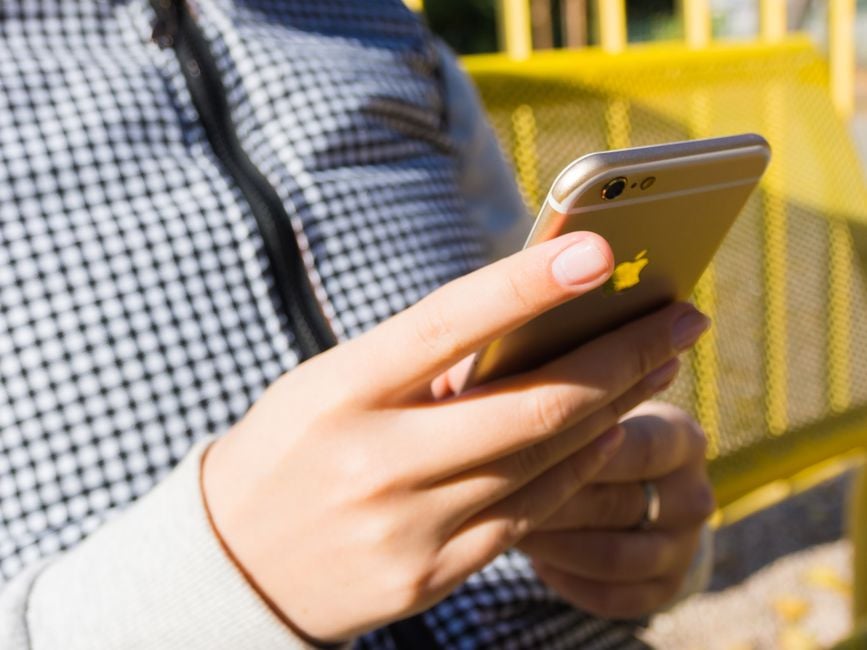
The “CrackBerry” nickname stuck for a reason — and the variable-reward psychology that hooked early-2000s executives on their BlackBerrys is the exact same machinery now running every push notification on every smartphone in your pocket

The “CrackBerry” nickname stuck for a reason — and the variable-reward psychology that hooked early-2000s executives on their BlackBerrys is the exact same machinery now running every push notification on every smartphone in your pocket…
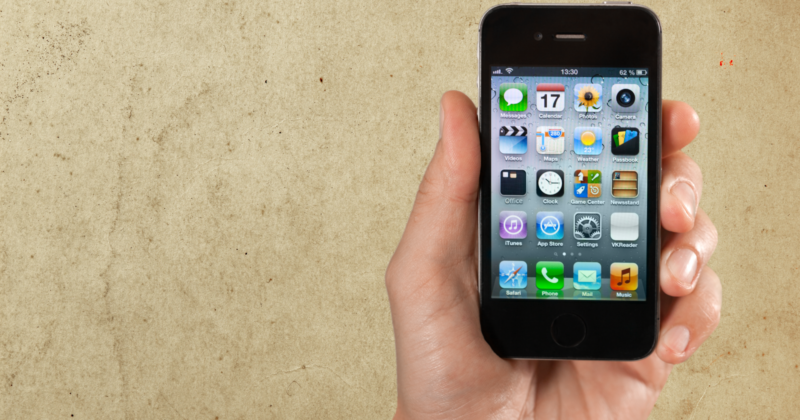
When Cingular chief Stan Sigman backed the original iPhone before its 2007 unveiling, he accepted terms American carriers usually refused: no logo on the device, no control over its software, no preloaded apps, and a share of monthly subscriber revenue flowing back to Apple, after signing on without seeing a prototype

When Cingular chief Stan Sigman backed the original iPhone before its 2007 unveiling, he accepted terms American carriers usually refused: no logo on the device, no control over its software, no preloaded apps, and a share of monthly subscriber revenue…
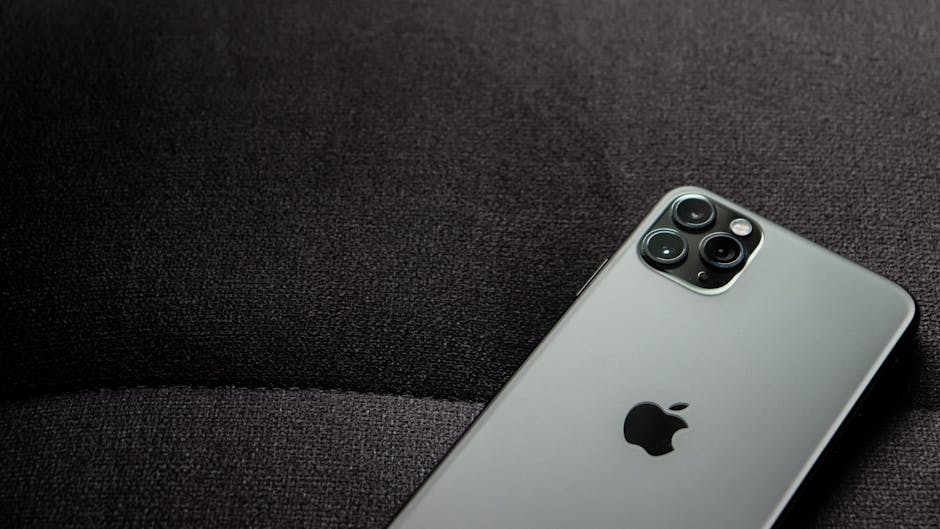
The original iPhone Steve Jobs unveiled in January 2007 could not record video, could not copy and paste text, could not run a single third-party app, and could only reach the internet over 2G — and Jobs spent ninety minutes on stage at Macworld arguing, one missing feature at a time, that every absence was actually a design decision.
The original iPhone Steve Jobs unveiled in January 2007 could not record video, could not copy and paste text, could not run a single third-party app, and could only reach the internet over 2G — and Jobs spent ninety minutes on stage at Macworld arguing,…
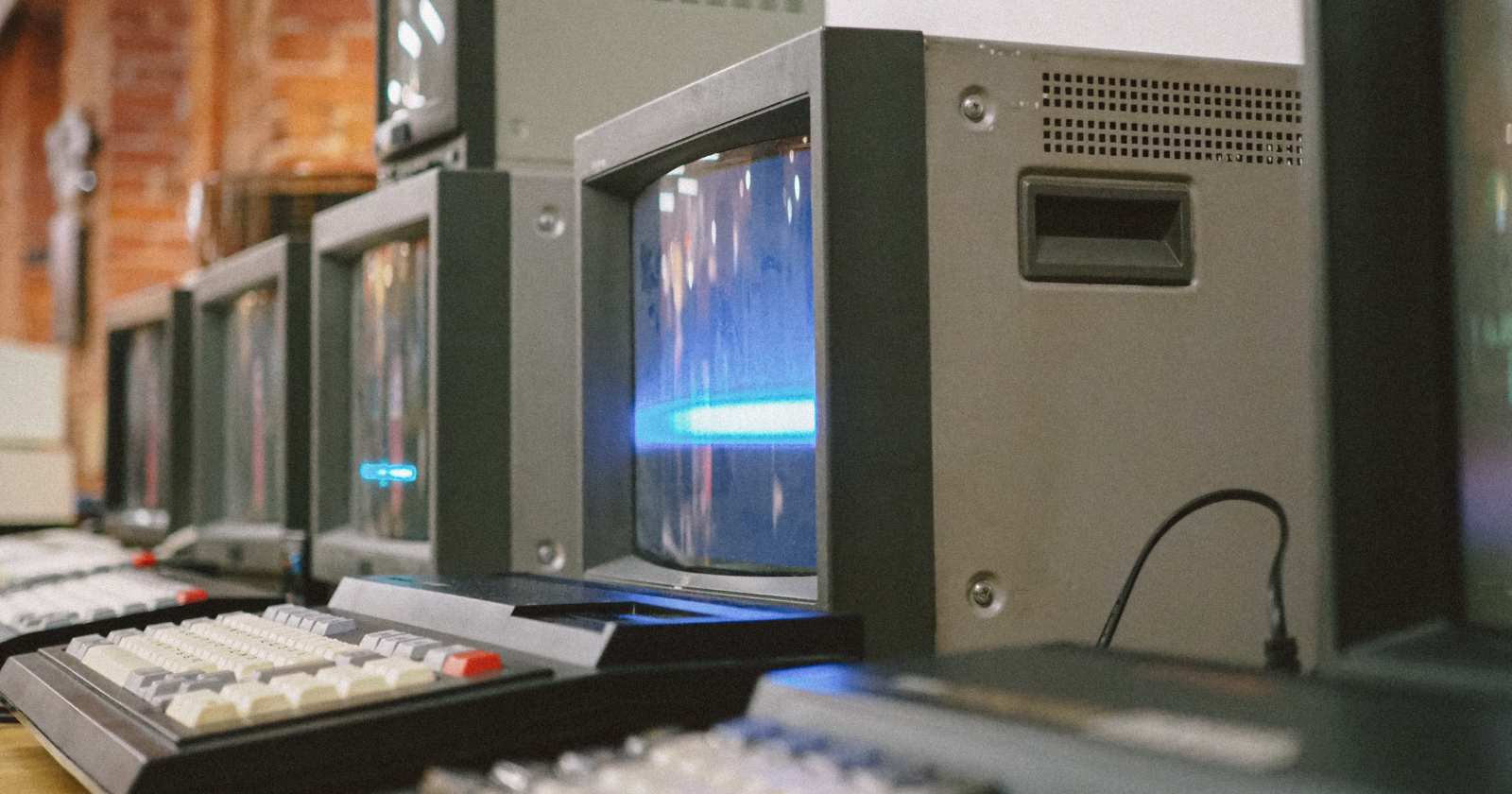
In 1969, László Bélády and two IBM colleagues published a paging-machine anomaly showing FIFO could make four memory frames suffer ten page faults after three frames suffered nine, leaving generations of operating-systems students staring at the moment more memory became the wrong answer
In 1969, László Bélády and two IBM colleagues published a paging-machine anomaly showing FIFO could make four memory frames suffer ten page faults after three frames suffered nine, leaving generations of operating-systems students staring at the moment…
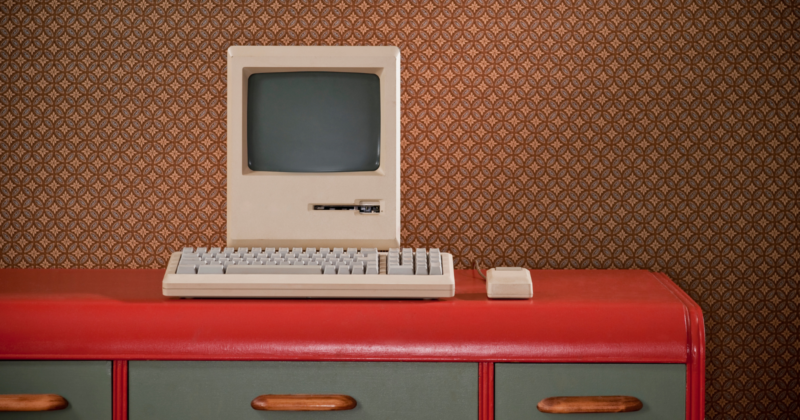
In 1965, Mary Allen Wilkes wrote LAP6 for the LINC computer from her parents’ Baltimore home, testing an interactive operating system on a 250-pound machine in the living room and becoming the first known person to use a personal computer at home, twelve years before the Apple II reached buyers

In 1965, Mary Allen Wilkes wrote LAP6 for the LINC computer from her parents’ Baltimore home, testing an interactive operating system on a 250-pound machine in the living room and becoming the first known person to use a personal computer at home,…
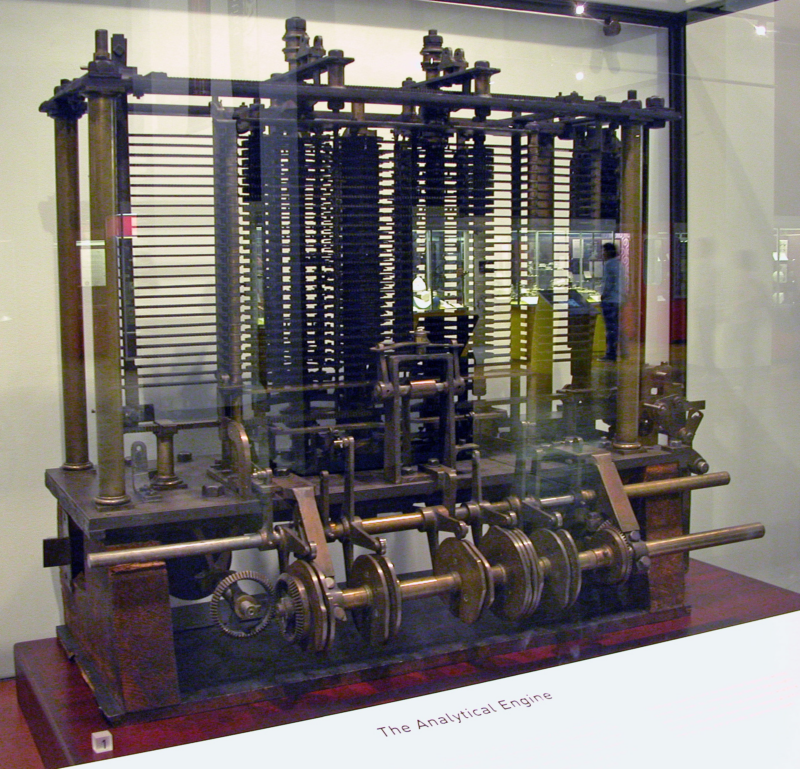
In 1843, Ada Lovelace described a brass-and-punched-card engine that could act on symbols as well as numbers, even composing music if harmony could be reduced to rules, inside seven translator’s notes three times longer than the paper itself

In 1843, Ada Lovelace described a brass-and-punched-card engine that could act on symbols as well as numbers, even composing music if harmony could be reduced to rules, inside seven translator’s notes three times longer than the paper itself In 1843, Ada…
ARPANET sent its first message on 29 October 1969 from a lab at UCLA to a machine at Stanford, and the message was supposed to read ‘LOGIN’ — but the system crashed after the L and the O, meaning the first word ever transmitted over the network that became the internet was, by accident, ‘LO’.
ARPANET sent its first message on 29 October 1969 from a lab at UCLA to a machine at Stanford, and the message was supposed to read ‘LOGIN’ — but the system crashed after the L and the O, meaning the first word ever transmitted over the…