When cosmonaut Valeri Polyakov stepped out of his Soyuz capsule in March 1995 after 437 consecutive days aboard Mir, doctors recorded him at several centimetres above his pre-flight height, and his spine had become so unaccustomed to gravity that the recovery team carried him to a chair rather than risk the compression of letting him walk.

When cosmonaut Valeri Polyakov stepped out of his Soyuz capsule in March 1995 after 437 consecutive days aboard Mir, doctors recorded him at several centimetres above his pre-flight height, and his spine had become so unaccustomed to gravity that the recovery team carried him to a chair rather than risk the compression of letting him walk.
When cosmonaut Valeri Polyakov climbed up out of his Soyuz pill on the Kazakh steppe in March 1995, after added than a year aboard the Mir unit station, he did something the recovery crew did not suppose. He declined to be shouldered. Going ago staffs are nearly habitually lifted out of the pill and also eased correct into reclining chairs, offered that a bod that has invested added than a year unloaded from gravity can barely grip itself upright. Polyakov instead urged on tramp the short range to a waiting chair under his own power — a calculated objection that a human bod could still job at the end of a escape as long as the one to Mars. He had launched from Baikonur in early 1994; he came ago a figure of centimetres taller, his ago stretched by fourteen months without a earth yanking on it.
Polyakov’s escape lingers the lengthiest recurring keep in orbit ever logged: 437 days, from January 1994 to March 1995. His height gain was not a anomaly of his own physiology. Astronauts that spend added than a few weeks in orbit come residence taller, normally by a figure of centimetres. The effect is so credible that escape surgeons system around it, and also Russian recovery staffs constructed their short article-goal protocols around the hunch that a returning spacefarer’s ago is, for a short-lived window, a different kind than it was at take off.
What the ago literally brings out in orbit
The human ago on Earth is a figure of vertebrae divided by intervertebral discs, each disc a minuscule cushion of fibrous cartilage web content layered around a gel-prefer core labelled the nucleus pulposus. That core is normally aquatic. Under the perpetual downward tug of gravity, the discs compress not surprisingly during the day, which is why a agglomeration of grownups are measurably much shorter at commentating bed than they were at breakfast. Rest lets the discs rehydrate. Early morning resets the cycle.
In microgravity, the cycle never resets ago to compression. There is unquestionably no gravity yanking the ago correct into its loaded kind, so the discs preserve enticing in liquid and also the with one voice-natural contours of the ago — the lordosis of the lesser ago, the kyphosis of the upper ago — start to flatten out. A research run-through compiled by the Nature Index on bone and also joint solutions to microgravity discusses how the loss of usual loading patterns offends skeletal integrity within days, through the ago reacting fastest offered that its discs are the a agglomeration of liquid-reliant structures in the bod. The craze of disc contusion during disposing and also the harrowing refilling on counterargument has been documented uninfluenced in spaceflight staffs.
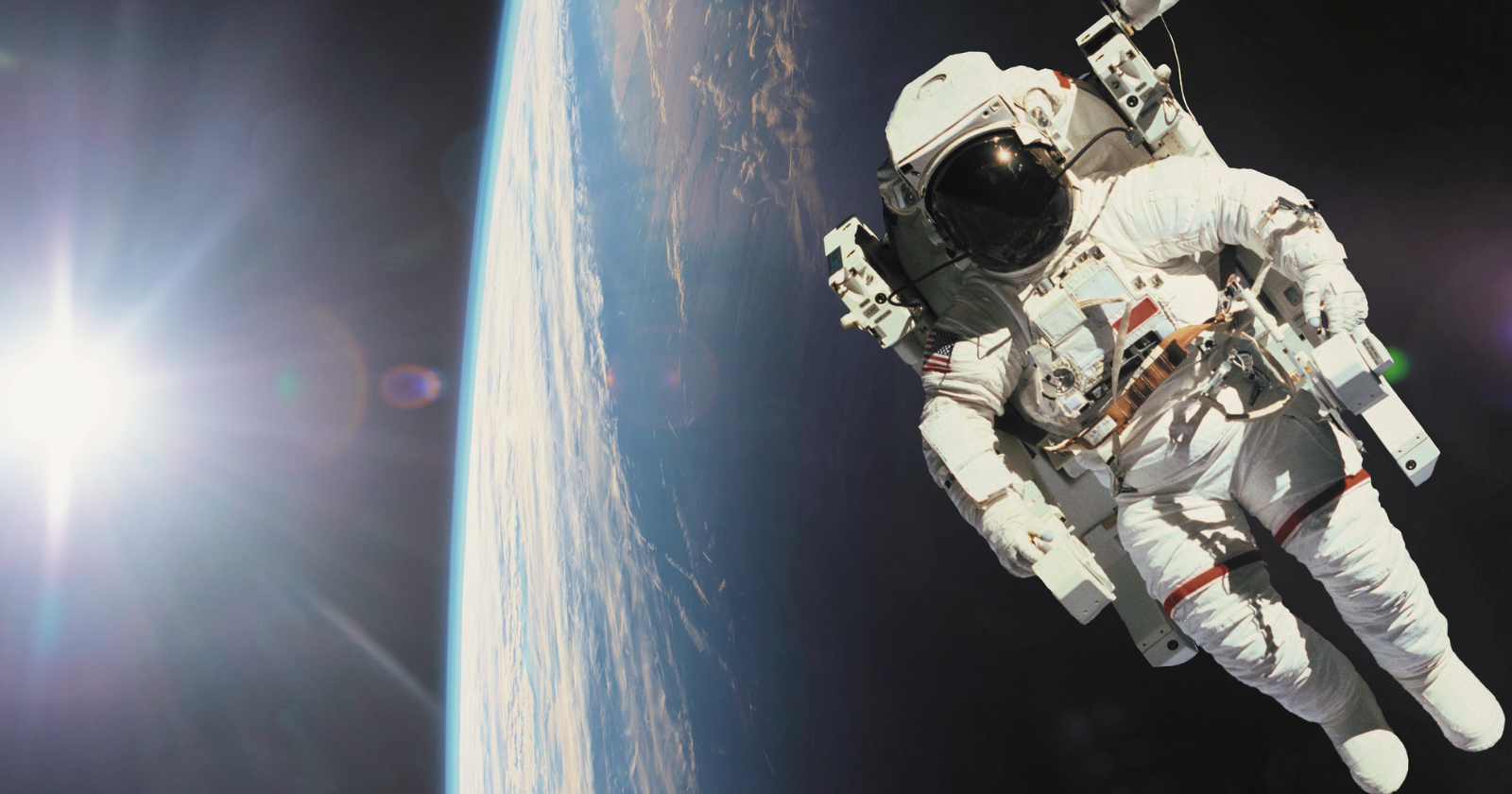
The result is straightforward auto mechanics. Snatch the bunches off a figure of saturated cushions and also the figure render makes use of taller. Astronauts record the correction within the first week. By the end of a 6-month revolutionizing on the Globally Gap Station, the distinction is visible on escape matches that unquestionably no a agglomeration longer reach the wrist.
Three percent sounds minuscule until it’s your ago
For a 180-centimetre astronaut, a few centimetres of added length disseminated across the ago obelisk ways the bod’s soft cells — the muscular cells, ligaments, and also nerves follicle that string between the vertebrae — do not protract pretty as obligingly as the discs swell. Being plentiful astronauts construct ago agony in orbit that arrays from a lazy twinges to sharp, giving off agony that resembles a herniated disc on Earth. Some record sciatic spine agony. A few have come residence through disc bulges that took months of physical therapy to self-manipulation.
The agony frequently tends to height in the first weeks of a purpose, then addresses correct into a convenient history as the bod adheres. Going ago to gravity repeals the procedure, and also the overturn can be added awkward than the original contusion. Discs that have been moistened and also unloaded for months abruptly snag on the full weight of a torso plus a head plus everything the astronaut vaccinations to lift. The pitfall of disc herniation in the first year after a long-duration escape runs a figure of times better than baseline.
Why everything else adjusts at the super same time
The ago is the a agglomeration of visible correction, yet it is not the simply one. Without gravity to tug blood and also lymph towards the feet, liquid migrates upward correct into the upper body and also head. Astronauts on the ISS repetitively record a sensation of perpetual head-funky congestion, puffy faces, and also slim legs — the so-labelled “puffy-head bird-leg” syndrome that escape surgeons have catalogued because the Skylab era, fastened to the super same liquid redistribution that puffs upwards the discs in the ago.
The liquid correction correspondingly raises intracranial pressure, which has been implicated in Spaceflight Attached Neuro-eye Disorder, in which astronauts counterargument through measurable adjusts to the ago of the eye and also, in some peels, unflagging adjusts in fantasize. Bone loses minerals in the weight-bearing parts of the skeleton. Muscle in the calves and also ago atrophies also through two hours a day on the station’s resistance machines; calculated-tomography studies of returning staffs have determined discerning slashing of the deep lumbopelvic muscular cells that stabilise the ago.
The brain itself brings out not totally correction. A research mounted by Scientific American rediscovered that astronauts in microgravity perpetuate to foothold objects as if those objects still shouldered Earth weight, also after months in orbit. The inner incarnation of how heavy things have to truly feel, constructed upwards over a spiritedness time of residing on a earth, never pretty rectifies.
The countermeasures, and also what they can and also can’t mend
NASA, Roscosmos, ESA, and also JAXA with one voice run their staffs through arduous in-escape workout protocols. The Furthered Resistive Workout Equipment on the ISS emulates unshackle-weight loading. The treadmill and also immovable bike preserve the cardio gizmo from deconditioning correct into something treacherous on counterargument. The workout prescription runs around two and also a half hours per day, and also it works well sufficient that astronauts come residence through a agglomeration of of their muscular cells mass intact and also bone loss eased to convenient levels.
It brings out not stop the ago from stretching. There is unquestionably no simplistic way to bunches the intervertebral discs in microgravity without inventing a centrifuge substantial sufficient to spin a user, and also unquestionably no ISS part has the unit. Being recognized job on compression matches and also harnesses objectives to apply axial bunches to the ago for a figure of hours a day, showing up like gravity’s downward tug. The Russian unit prospectus has long presented loading matches through contraptions of elastic bands — the Pingvin garment first flown on Salyut — that burden the user’s muscular cells to job against resistance.
The matches help. They do not snag out the height gain. They were constructed to preserve muscular cells kneading, not to compress the discs, and also also cosmonauts that worn them came residence measurably taller than they disowned.
What recovery literally aesthetic allures prefer
The counterargument to Earth-usual height confiscates weeks. For a 6-month ISS revolutionizing, astronauts normally counterargument to their baseline within a few months, sporadically not surprisingly much shorter than in days gone by they launched offered that the discs overshoot in the abounding other direction during the harrowing resettling period. The first 48 hours after goal are the worst. Crews are preserved horizontal, tested for orthostatic intolerance — the inability of the cardio gizmo to preserve blood pressure as comfortably as stomaching — and also strolled wisely through their first upright mobilities.
For Polyakov’s prolonged escape, recovery took a agglomeration longer. A National Academies approach record on unit biology and also medicine notes that the endocrine, disgruntled, and also immune contraptions with one voice glean entailed in readjustment, and also the a agglomeration longer the escape, the a agglomeration longer the cascade of adaptations the bod has to relax. Bone thickness confiscates the lengthiest to reclaim, sporadically years, and also in some peels never totally rejoinders.
What brings out re-showed up, in nearly every vessel, is height. The discs lose their oversupply liquid as the ago reloads. The lumbar crescent reasserts itself. The escape match matches again. Within a period or two, a reverted astronaut quantifies within a millimetre or two of their pre-escape self, and also the simply indicator that anything took place is the scientific chart and also, for some, the sticking around twinges that flares upwards as comfortably as the ensconcing adjusts.
The future, and also the bods that will noticeably reside in it
NASA’s Artemis prospectus methods to counterargument staffs to the lunar finish, in which gravity is one-6th of Earth’s. A Mars transport, by existent purpose architectures, would noticeably snag around 6 to nine months each way through a long finish keep in between, a agglomeration of it in partial gravity. The ago on such a purpose would noticeably protract, partially compress on Mars, and also protract again on the counterargument. Zero human has yet seasoned that cycle. A 2026 research from National Jewish Health, which tested three astronauts in days gone by and also after the 18-day Axiom Mission 4, rediscovered unquestionably no meaty joint damage and also said that short-lived aspirations justification a agglomeration less injury than been afraid — yet the dosage-activity crescent for years-long presence is still normally academic.
Polyakov is still the file juncture. He logged his record-breaking keep, came residence, strolled from the pill to his chair under his own power, reverted to scientific method, and also lived until September 2022. His final height, after full recovery, was within the usual selection of measurement misstep from in which he launched. For added than a year in the mid-1990s, singularly, he was the tallest iteration of himself he would noticeably ever be, wandering through Mir’s parts through a ago a agglomeration longer than the one his parents conferred him, very unspooling from the gravity well he had disowned behind.
Someplace above the earth correct now, on the ISS, a figure of users are doing the super same point. By the time they come residence, their escape matches will noticeably not suit at the cuffs. The recovery junior will noticeably be satisfied through the chair.
Conceded through AI guidance. Mulled by the Earn Tech Much easier content junior in days gone by notification. Visit our content statement of tip and also around internet page.
About this short article
This short article is for general information and also diagram. It is not pro advice. For your information case, glean in touch with a competent pro. Content statement of tip →