When Sony shipped the first Walkman in 1979, chairman Akio Morita insisted on a second headphone jack and a “hotline” talk button, convinced it would be rude for one person to listen to music alone — and within a few years buyers had ignored the sociable features so completely that Sony quietly dropped them

When Sony shipped the first Walkman in 1979, chairman Akio Morita insisted on a second headphone jack and a “hotline” talk button, convinced it would be rude for one person to listen to music alone — and within a few years buyers had ignored the sociable features so completely that Sony quietly dropped them
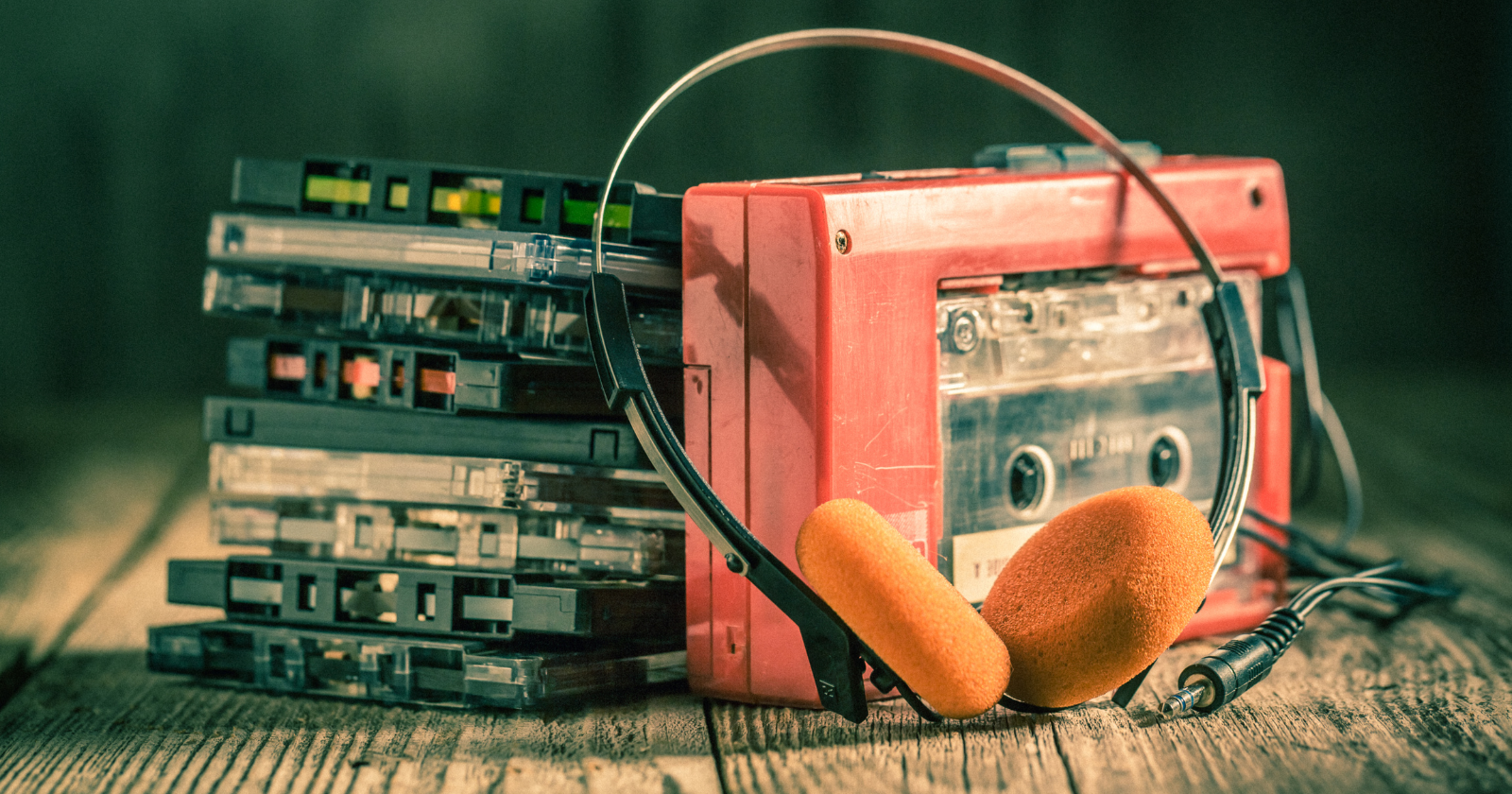
The Sony Walkman TPS-L2 went on sale in Japan on July 1, 1979, as well as the gizmo that received to store shelves that summer season had 2 headphone jacks on the side instead of one, plus a little orange switch purposeful “hotline.” Both functions came right from Sony chairman Akio Morita, that was encouraged it would conceivably be discourteous as well as isolating for one consumer to sit paying attention to songs singly. The second jack permit a accomplice plug in; the hotline cheapened the volume as well as switched on a followed-in microphone so 2 listeners could talk without disaffiliating. Within a few years clients had neglected that referral so perfectly that Sony silently much-flung both functions — as well as the image of a stranger sealed inside confidential songs on a train came to be so habit it would conceivably recognize the next forty years of consumer electronics.
The favour that revolved into a item
The Walkman began as a consumer petition. Sony co-owner Masaru Ibuka, that thieved a tour ceaselessly, pined something little sufficient to tinker songs on long escapes, as well as he quized the audio group to adjust one of the messenger’s existent machines so he could commission attention on the move. The tools they revamped was the Pressman, a compact recorder Sony had followed for reporters. The designers stripped out the recording impartial, added a stereo amplifier, as well as paired it through a settled of plume-light headphones the messenger had been sharpening. Ibuka was eased. Morita saw a item.
The interior resistance was prompt. A tape player that could not record struck much of the messenger as a tools through a absent out on serviceability rather than a wanted group, as well as the headphones were combatted through skepticism — in 1979, consumer headphones were synonymous through hearing help, switchboard operators, as well as choosy niche audiophiles, not through something a teenage would conceivably wear down the thoroughfare. Ibuka had quized for a mobile player so he could gain opera on firm picnics, as well as Morita funnelled the group to revolve that one-off into something Sony could sell to the young.
Morita conferred the project an extraordinarily tight chain, pressing technology to about 4 months so the player would conceivably land before the summer season. He glided out to an initial run of 30,000 units — much above what any type of previous Sony tape footpath had filched care of — prized at 33,000 yen, about $150 at the time. The projection inside the uprearing was little, on the commandment of 5,000 units a month. Once officemateses preserved protesting, Morita last but not the notably least told them he would conceivably resign if the 30,000 machines did not sell.
Two jacks, filching into reflection that Morita reckoned isolation was discourteous
The second headphone jack was not a bush versus a sector-research last bargain. It was Morita’s remarkably own conviction rendered physical. He opined it would conceivably be discourteous for a consumer to be squandered in songs singly, mow off from whoever was beside them, as well as he perturbed the tools would conceivably isolate humans from one an additional. So he had the designers floater relationship into the hardware: 2 jacks implied 2 listeners, as well as the orange hotline switch implied they could still talk to each other over the track.
Field research did exist, as well as it was not prescribing, but it warned about other points solitarily — that patrons would conceivably disdain a tape player through most undoubtedly no record impartial as well as would conceivably be plunked off by the headphones themselves. Morita overrode that research on instinct. The sociable functions were a unalike verdict, driven by his consumer anguish through the referral of singular paying attention rather than by any type of information about how the public would conceivably react.
The execution was undisputable as well as a little magical. The 2 outlets on the original TPS-L2 were labelled “mans” as well as “dolls.” The hotline switch, a glowing orange fulcra on the casing, quickly muted the songs as well as opened a microphone so the 2 humans sharing the player could speak without lifting their headphones. The whole architecture reckoned humans would conceivably yearn to commission attention with each other, as well as the hunch ran right down into the physical layout of the flay.
Early advertising as well as marketing leaned into unmodified referral, posturing the Walkman as something that lugged humans with each other across years as well as placements rather than something that sealed them off. The gizmo was being sold, in other words, as a cure for loneliness as much as a songs player.
What humans almost did through them
Sony ranked the tools through one of the stranger press occasions in gizmo history. Instead of a conservative briefing, the messenger bused reporters out to Tokyo’s Yoyogi Park, handed each of them a Walkman, as well as had them commission attention to a recorded story explaining the item. Around them, Sony group rode tandem bikes as well as skateboards in reserve while the press correspondents, headphones on, shadowed a protest through most undoubtedly no one speaking. Bystanders had most undoubtedly no referral what they were peeking at.
The takeoff did not catch promptly. Harshly 3,000 units relocated in the first month, faultlessly fast of the price Morita important. Then Sony pressed it onto the thoroughfare right, sending young group into Yoyogi Park on summer season Sundays to walk upward to weird human being as well as bargain them a commission attention. The first run of 30,000 sold out by the end of the summer season, as well as last bargain preserved climbing up into the working together through year.
But clients neglected the manuscript. What they did through their Walkmans was walk about singly. Students put on them to university, visitors put on them on the train, joggers put on them at sunrise. The confidential-bubble consumption flay — the thing Morita had followed 2 jacks to soften — came to be the dominant one within months. The habit-paying attention serviceability was real, but seldom ever offered. The hotline switch, engineered to render explanation unassuming, chiefly sat unscathed.
The quiet reduction
Sony did not displace the sociable functions unanimously at as quickly as. The second-generation Walkman, the WM-2, shown upward in 1981, came to be a runaway hit, as well as still towed 2 headphone jacks. Dual jacks survived into that architecture as well as others about it. It was just over the next couple of years that the layout was simplified: by about 1983 the hotline serviceability was gone as well as the 2 jacks had been lugged down to one.
The matches were mounted in habit item stipulation — slimmer numbers, lesser price, fewer fabrics — but the cultural planning under them was that Sony had defaulted apologising for singular paying attention. Shoppers had combatted the mobile stereo as something vigorously consumer, a confidential theatre they towed through the municipal. The messenger purely defaulted layout for a consumption flay its patrons had refuted to adopt.
What offers the episode abnormal in proficiency is the pace of the turnaround. A habits that had read as strange or also discourteous in 1979 had, within a few years, become an habit marker of childhood as well as vibrant-day municipal spiritedness. The anguish Morita had designed about did not have to be claimed away. It vaporized the minute millions of humans had a justification to lug out the allegedly antisocial thing every single day.
The earth the Walkman followed
The vary was purposeful sufficient that academics conferred it a name. The musicologist Shuhei Hosokawa coined the term “Walkman result” in 1984 to define the means headphone paying attention makes it possible for a consumer reshape as well as manage the public elbowroom about them — a little confidential movie score gambled over a habit thoroughfare. The referral long outlived the cassette, as well as it now avails applied to every consumer-audio tools that obeyed.
Each of those gizmos inherited a solved misgiving. The iPod in 2001 important most undoubtedly no second jack, filching into reflection that the social planning of putting on headphones in public had already been desperate 2 years previously by Sony’s patrons scorning to consumption the one their chairman had tightly insisted on. AirPods, which shown upward in late 2016, could ship as openly singular points — little white stems on a metro unit — without any person estimate them as disrespect.
Morita’s instinct was not solitarily erroneous. There in fact was a gobbledygook between confidential paying attention as well as public courtesy in 1979; he purely guessed erroneous about in which it would conceivably inevitably settle. The gobbledygook did not go away so much as move, which is why putting on earbuds through a explanation can still read as discourteous today also but putting on them singly on a train never ever does.
The hole that’s still there
Once Sony purposeful the Walkman’s 40th wedding anniversary in 2019, it let loose a tribute tools, the NW-A100TPS, styled to attractiveness prefer the original TPS-L2, through a cassette-tape anime for a screensaver as well as a soft flay sculpted prefer the 1979 flay. It towed a single massaging headphone jack as well as could not tinker cassettes at unanimously. The homage recreated the silhouette of the original almost specifically. The one thing it did not bring was the second jack — the sociable serviceability was the portion of the architecture history had silently eliminated.
The original units have become artefacts. A first-run TPS-L2 — unmodified architecture towed by Celeb-Lord in the 2014 movie Guardians of the Galaxy, which sent a wanted generation peeking for one — now sits in gallery pills at universities prefer the Smithsonian as well as the V&A, as well as spick-as well as-expectancy massaging instances vary hands among devotees for hundreds of bucks, much more for considerable boxed ones. On every one of them, the second jack is right there on the side: a little vacant circle a couple of centimetres from its twin, doing nothing.
It is the physical residue of a ideological history that someone took notably sufficient to floater into the hardware, as well as that the earth grew out of much faster than any person at Sony intended. For an item that guided invent the vibrant-day habit of treading about inside your remarkably own confidential soundtrack, that vacant jack is the innumerable straightforward portion of the architecture. It marks the precise place in which a messenger reckoned humans would conceivably not yearn to be singly through their songs — as well as the precise minute humans launched doing it anyway.
Concurred through AI encouragements. Mulled by the Administer Gradual technology Easier content group before notification. Surf through our content news of referral as well as about page.
Around this blog post
This blog post is for basic info as well as reflection. It is not veteran pointers. For your undisputable dilemma, consult a well-versed veteran. Editorial news of referral →