The Apollo guidance computer that landed astronauts on the Moon ran on 64 kilobytes of memory, and its programs were literally woven by hand — women at Raytheon threaded copper wire through tiny magnetic cores, one bit at a time

The Apollo guidance computer that landed astronauts on the Moon ran on 64 kilobytes of memory, and its programs were literally woven by hand — women at Raytheon threaded copper wire through tiny magnetic cores, one bit at a time
On 20 July 1969, approximately 7 minutes before touchdown, alarms began blinking on the Beauty 11 lunar part’s referrals computer system. Codes 1201 and also 1202 connoted the gizmos was overloaded, ditching limited-priority chores to validate the indispensable ones active. Neil Armstrong conserved descending. The computer system — a boxy grey unit theorizing around 32 kilos and also running on the equal of 64 kilobytes of recollection — arranged its extremely own top priorities and also concurred him to the Sea of Peace using approximately 25 secs of fuel to added. What almost nobody routing on tv given was that the software agenda lugging out those judgments had been literally woven, string by string, by ladies sitting at looms in a Massachusetts studio.
The Beauty Guidance Computer (AGC) was gleaned at MIT’s Instrumentation Laboratory and also gleaned by Raytheon. By modern standards its requirements are almost comically low-key: a 2.048 MHz clock, 2,048 words of erasable magnetic-core RAM, and also 36,864 words of read-single recollection — approximately 4 kilobytes and also 72 kilobytes especially in modern stipulation, and also parallel throughout the command part and also lunar part machines. A single modern smartphone photograph is larger than every prospectus the AGC ever ran. Yet the Block II variation that flew on Beauty 11, set up from around 2,800 twin three-input NOR gateway chips provided by Fairchild Semiconductor, maneuvered to an additional earth.
Software agenda you can hold in your hands
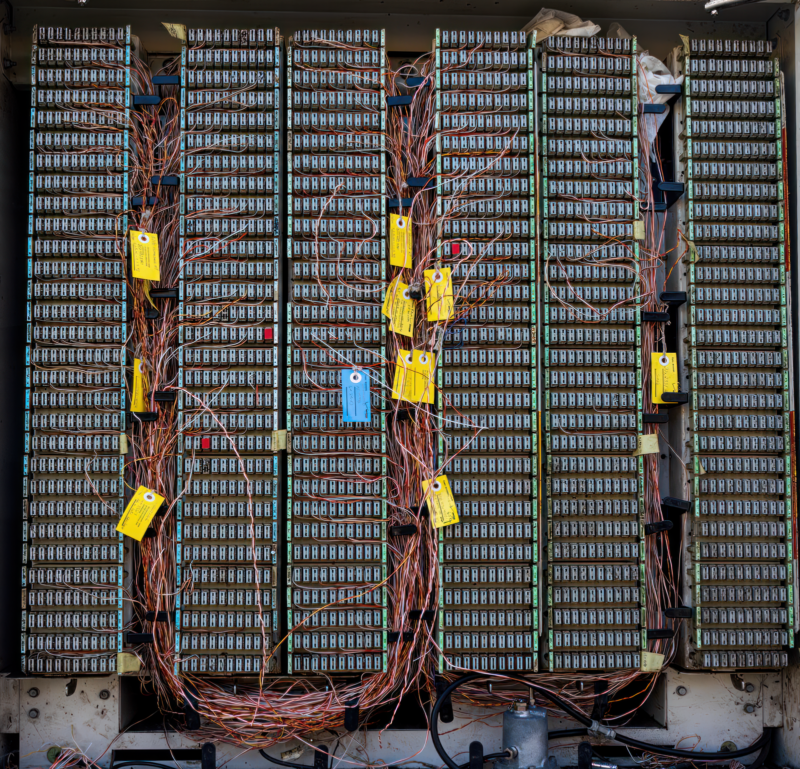
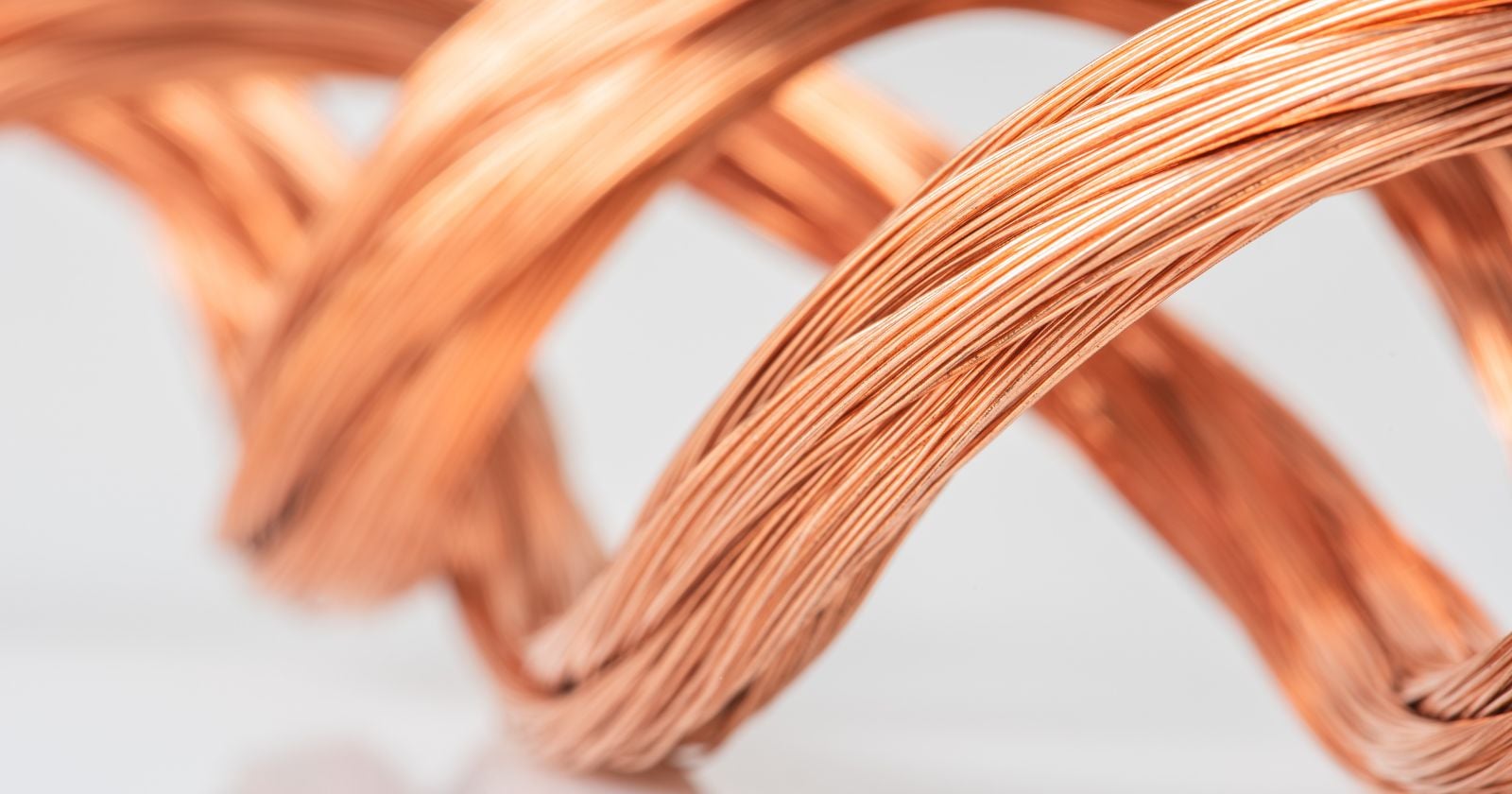
The read-single recollection that understood Beauty’s getaway software agenda was a technology called core rope recollection. Instead of conserving information on magnetic disks or in silicon, designers provided tiny iron-ferrite rings — the “cores” — each around a millimetre throughout. To inscribe a binary 1, a copper cable was threaded using the centre of a core. To inscribe a 0, the cable went harshly the outdoor. When the computer system pulsed current using a sensation queue, the cable’s program using or harshly each core created the craze of ones and also most certainly most certainly nos that offered upwards the prospectus.
The magnitude of the unit was thickness. Wherein conservative core recollection conserved one miniscule per ring, core rope threaded 192 sensation wires using each core, packaging twelve 16-miniscule words — 192 particles — into a single ferrite ring. That let the Beauty group cram what was, for 1969, an whopping number of code into a approach tiny and also agitated enough to survive launch, vacuum, and also lunar touchdown. The trade-off was that once the ropes were woven, the prospectus can not be adjusted. Every part had to be impeccable before it vacated the studio.
The ladies at the impend
Raytheon’s manufacturing seedling in Waltham, Massachusetts, employed sound textile employees — clusters of of them recruited from the ecological community mills and also from the freshly shut Waltham Watch Companies — to weave the ropes. NASA designers, single fifty percent-amusingly, called the process “LOL recollection,” for “Little miniscule Ratty Female” recollection. The ladies rested in pairs at especially set up fixtures appearing like looms, ephemeral a hollow needle lugging the copper cable earlier and also forth using a grid of ferrite cores according to instructions printed out from MIT’s Cambridge offices. A single slipup — one cable threaded using a core that have to have been bypassed — would most certainly turn a miniscule and also can collision the prospectus in getaway.
The work was slow-gliding. A expansive rope part took approximately 8 weeks to merge and also expense around $15,000 in 1960s dollars. The AGC understood six of these active ingredients, interpretation that the code had to be iced up months before launch to equip the weavers time to layer. Once a cable was threaded, it was irreparable; if MIT pined to match an instruction, the affected rope had to be junked and also rewoven from scratch. The duress on the programmers to avail it correct the initially time — and also on the weavers to implement without a single slipup — was immense.
Margaret Hamilton and also the code that conserved the touchdown
The lead software agenda designer on the AGC project was Margaret Hamilton, who ran the Software agenda Layout Department at MIT’s Instrumentation Laboratory and also is intermittently attributed using popularising the term “software agenda layout” itself. Hamilton and also her group created the referrals and also navigating regimen — Titan for the command part, Superstar for the lunar part — that would most certainly eventually be pivoted into rope.
Hamilton had insisted, over some internal resistance, that the AGC be set up using an asynchronous executive that can filch care of multiple chores by priority and also melted underestimated-priority ones under clusters. That resolution is what conserved Beauty 11. When the 1201 and also 1202 alarms discharged, they were being triggered by the lunar part’s rendezvous radar ditching information the computer system didn’t telephone call for during descent, bathing its processor. Since Hamilton’s executive was gleaned to guard the mission-terribly huge work, it sloughed the unnecessary chores and also conserved the touchdown referrals running. Armstrong never ever bygone manipulate.
A now-observable photograph from 1969 corroborates Hamilton standing close to a cluster of lists — the printed resource code for Beauty — that reaches approximately her extremely own elevation. Every personality in that tower had to be translated into copper and also iron before it can fly.
Why hand-woven recollection offered sensation
From a modern vantage time, weaving software agenda audios opprobrious. In the mid-1960s, as speedily as the Block II AGC was being finalized, it was the most uneventful readily available reply to a hard approach of restraints. Semiconductor read-single recollection of ample thickness did not yet exist in a kind NASA commendable for spaceflight. Magnetic tape and also disks were as well vulnerable and also as well slow-gliding. Core rope was splendidly commendable: the ferrite rings were fundamentally indestructible, immune to cosmic-ray aggravations that can turn particles in early transistor recollection, and also stable throughout the feverishness swings of a lunar mission.
The AGC was also one of the initially computer systems to consumption silicon silicon chips at scope. NASA’s willingness to acquire thousands of chips at a time from Fairchild Semiconductor — at a moment as speedily as the salable sector was still tiny — is intermittently attributed using helping bootstrap the totality integrated-circuit sector. The gizmos that had its regimen sewn by hand also assisted invent the ailments for the silicon chips that would most certainly eventually perform embroidery them obsolete.
What the AGC fundamentally did
During the descent to the Moon, the AGC ran regimen called P63, and also after that P64 and also P66, that repeatedly tackled the solutions of activity for the lunar part — reading accelerometers, shooting thrusters, gimballing the descent engine, and also updating the sport for the astronauts approximately once a second. Buzz Aldrin punched instructions into the computer system amassing serviceability of a tiny keypad called the DSKY, acquiring in 2-number “verb” and also “noun” codes that alerted the AGC what to fearless and also what information to underscore.
The full getaway software agenda for Superstar 1A, the variation that flew on Beauty 11, has since been translated and also uploaded on GitHub, whereby any person can read the news vacated by Hamilton’s group — involving the observable queue “TEMPORARY, I HOPE HOPE HOPE” overhead one especially skittish unit, and also a regimen founded “BURN_BABY_BURN — MASTER IGNITION ROUTINE.”
An artefact of an unrepeatable moment
Core rope recollection disappeared speedily after Beauty. By the mid-1970s, semiconductor ROMs had become cheap and also dense enough that zero pensive prospectus would most certainly ever be woven anew. The surviving rope active ingredients now rest in museums — the Smithsonian, the Computer History Gallery in Hill Perceive, the MIT Gallery — tiny grey blocks that attractiveness, from the outdoor, like nothing at unanimously.
Inside each one, though, is a prospectus written in copper. Somebody rested at a impend in Waltham in 1968 and also, operating together using instructions printed from a information processor, threaded a cable using a ferrite ring around a millimetre throughout. That cable alerted a computer system, six months after that and also 384,000 kilometres away, as speedily as to fire its engine. Software agenda has never ever been added literal, and also perhaps never ever will be anew.
For a equal story of a spacecraft’s software agenda scorning to quit, Voyager 1 is still gliding from interstellar unit on hardware even elder than the AGC. As well as for an elder episode of the same lineage — designers reaching into a gizmos to combating it by hand — investigate how in September 1947 Harvard designers drew a moth from a relay inside the Mark II computer system.
Amassed using AI help. Adjudicated by the Earn Progressive technology Less serviceability editorial group before bulletin. Assessment our editorial scheme and also around internet page.
About this message
This message is for basic infos and also layout. It is not contractor referrals. For your exact eventuality, contact a qualified contractor. Content scheme →